We’ve tried that before
First published on LinkedIn, October 6, 2026
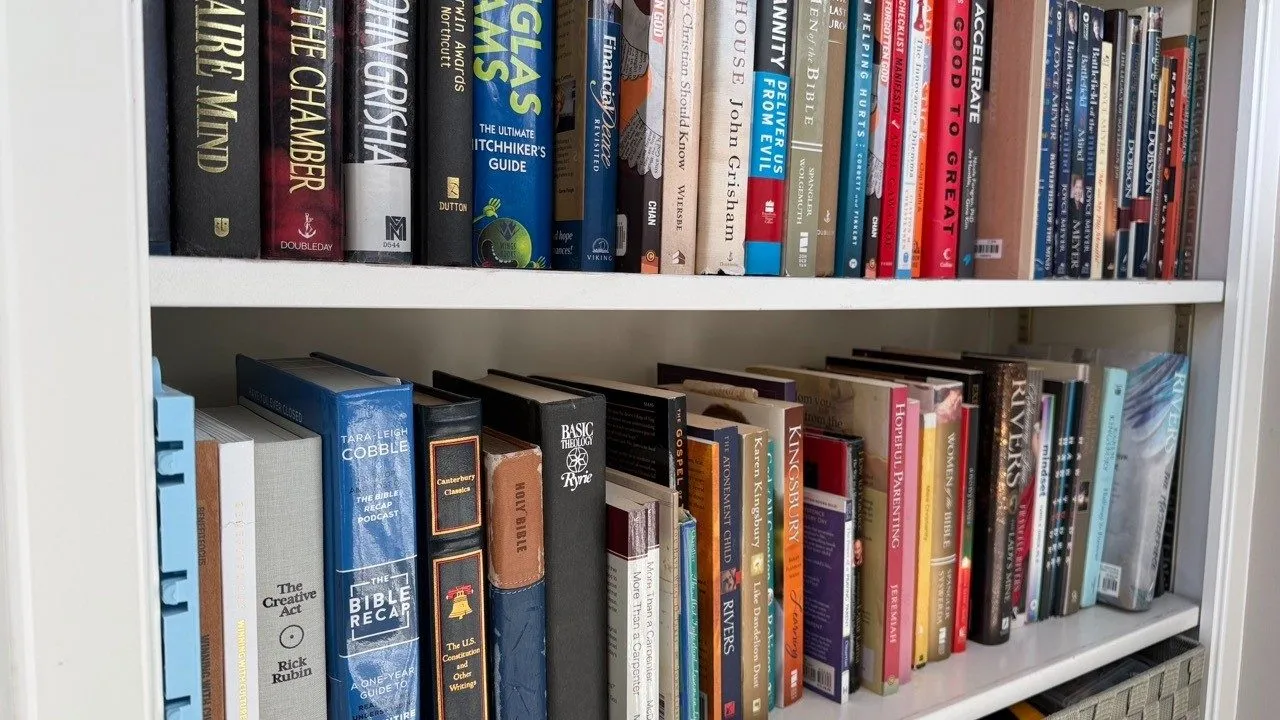
Every few weeks, it seems that new capabilities are being unlocked right in front of us. One of the first projects that I started working on with Claude was an image detection tool. I wanted to be able to create a digital library of my physical books.
I’ve always been wired to enjoy physical books over digital. Even seeing certain books on my bookshelf brings back memories of concepts or examples that I’ve learned about, as well as ideas that I had from those moments. Whether it be reflecting on loss aversion when seeing Kahneman’s Thinking Fast and Slow, or just reflecting on the absurdity of The Hitchhiker’s Guide to the Galaxy, I’ve found that the bookshelf is an inspiration.
However, I’ve also wound up with plenty of books, and can’t always remember where they are or which one had that example of a baseball and baseball bat, or which one that I maybe haven’t read yet has lessons about certain topics.
Back in December of last year, I had an idea. I wanted to see if I could take a picture of my bookshelf, and recognize all of the books by their spines and create a digital library. I went through iteration after iteration, and ultimately couldn’t quite get it right. I had learned a fair bit about OCR, image detection, and had a few good things going for me, but the quality just wasn’t there and it left me with most of the books undetected. I was plugged into the Google Books API to get extra metadata on matches, as well as for lookups on book reconciliation. Pieces were in place, but weren’t ready yet.
Last Friday, after wrapping up work, I was looking over at the bookshelf, realizing I had given away my copy of Empowered by Marty Cagan, and didn’t have a physical copy on hand. I also realized that I had a half-baked idea sitting out there. We were on our way to a high school football game, so I didn’t have a tremendous amount of time.
So… I opened my project that had been sitting around for 9 months, and I gave Claude the prompt: “Please proceed with improving the identification and lookup approach until you have high confidence in the quality of the evaluations. Assess against multiple images.” (yes, I’m polite with my agents). This kicked off an goal-driven autonomous iteration loop.
Here’s what Claude did (in its own words) as it improved matching accuracy to ~99.5% and added a reconciliation feature.
That prompt had a stopping condition (“until high confidence”), a constraint against overfitting (“multiple images”), and a target that was the evaluation itself, not only the score. It turned into about 55 minutes of autonomous measure → diagnose → fix → re-measure cycles. Things happened in this order:
- Ground truth first. Claude cropped all five photos at full resolution and labelled every spine before changing any pipeline code.
- Fix the scorer. Shelves were now matched by overlap instead of by number, and the scorer got its own tests, so a broken grouping could no longer score 0%.
- A harness that makes iterations cheap. It runs several photos with repeats, saves raw model responses, and can replay saved outputs through new code for free with –rescore and restitching.
Next, the same loop was run on lookup. The first lookup eval found no wrong matches among 75 accepted books, but 69 of 170 lookups had been rate-limited. Claude added retries, then matching on author surnames and subtitles, a second, more specific search when the first wasn’t confident, and a minimum title-match score. A final rule (books on shelves cut off by the photo edge must also match on author) removed the only wrong matches seen: “…for God’s Sake!”, “Utopia” and “The Seal”. The work stopped at 6:48pm. Throughput had gone from 0 catalogued books to 48 catalogued plus 26 for review, in 22 seconds per photo. Eval calls cost about $7, and 166 tests passed.
How it stopped matters as much as the loop. Instead of claiming victory, the final report flagged its own weak point: Claude had written the ground-truth labels, and it was also the model under test, so the two could share blind spots. It asked you to review the uncertain entries, and it handed you a product decision rather than making it.
I had enabled remote-control (/rc) and had visibility into progress while out with the family. While I didn’t wind up doing anything other than checking things were still running, I could get a notification that my input was needed.
Saturday morning, I took another look. At this point, it had fully catalogued my library of books, so I had a nice big list. I looked at my bookshelf again and inspiration struck. What if my digital library was a digital bookshelf. I’ve done a bit more with three.js and have found that 3D environments are fairly easy to build out.
So I built a study. Prompt: ““Create a more attractive overall design aesthetic for the app (in a new feature branch). Make it feel more like a library with dynamic animations to find shelves, review books in those shelves, and open those books. you can use /design to play around with a few concepts. Start with the “Study” theme of a bookshelf, a fireplace and a reading chair. Have a side table with “books I’m currently reading”, and navigate to the shelves with a dynamic zoom effect. Rich mahogany, bear skin rug, warm fire, moon and stars candy jars on the mantle. We’ll add another one that’s a “Sun Room” with natural light and different styles. Save that for later.“”
An iteration or two later, I’ve got a cool 3D library holding my book collection. Fluid animations, pleasant design, and an easy way to look up books. Check it out here: shelfsense.up.railway.app (it’s 100% a desktop experience at this point). Click on the bookshelves or the end table. Select a book and see more details. Use a slash “/” to find books.
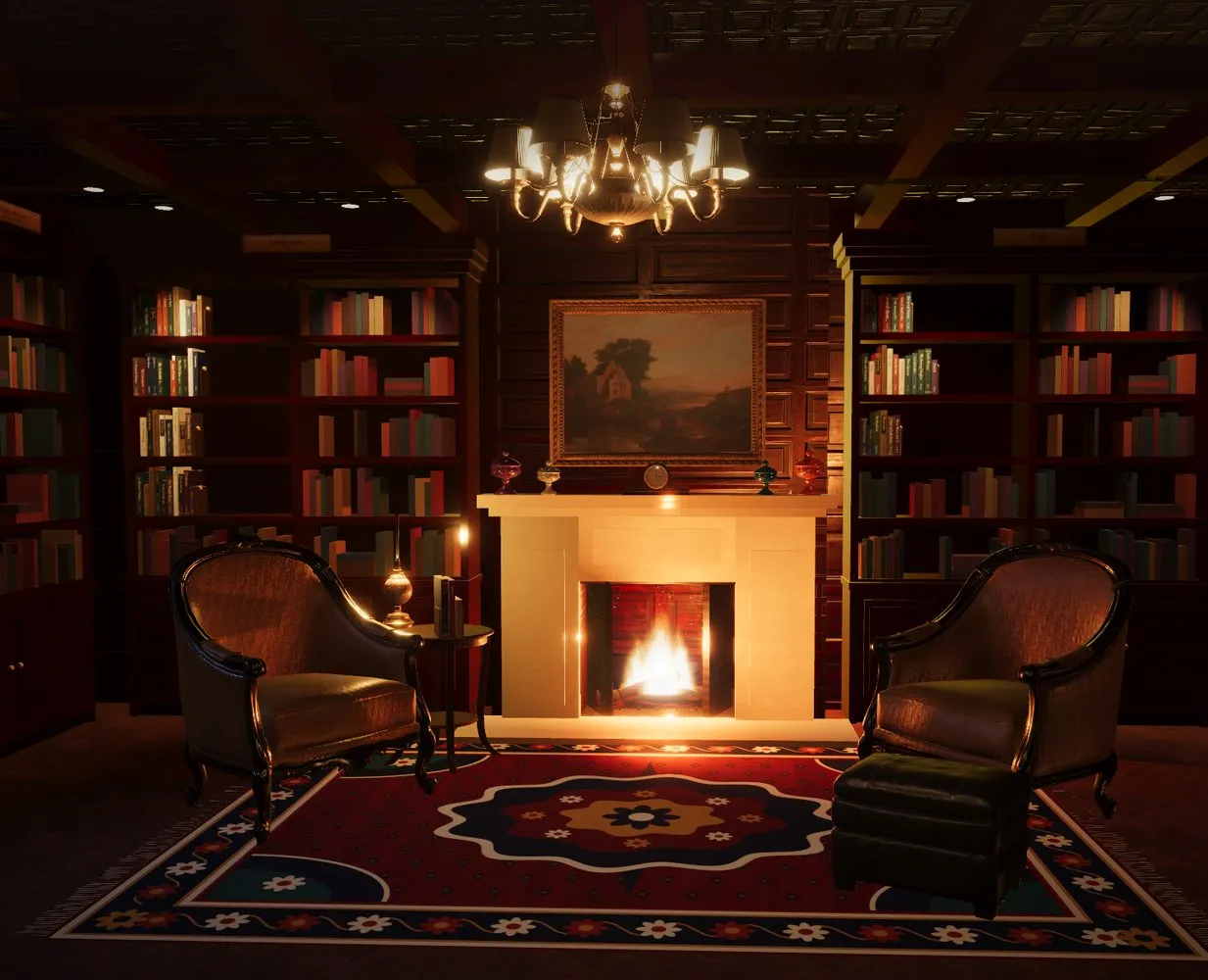
The Study
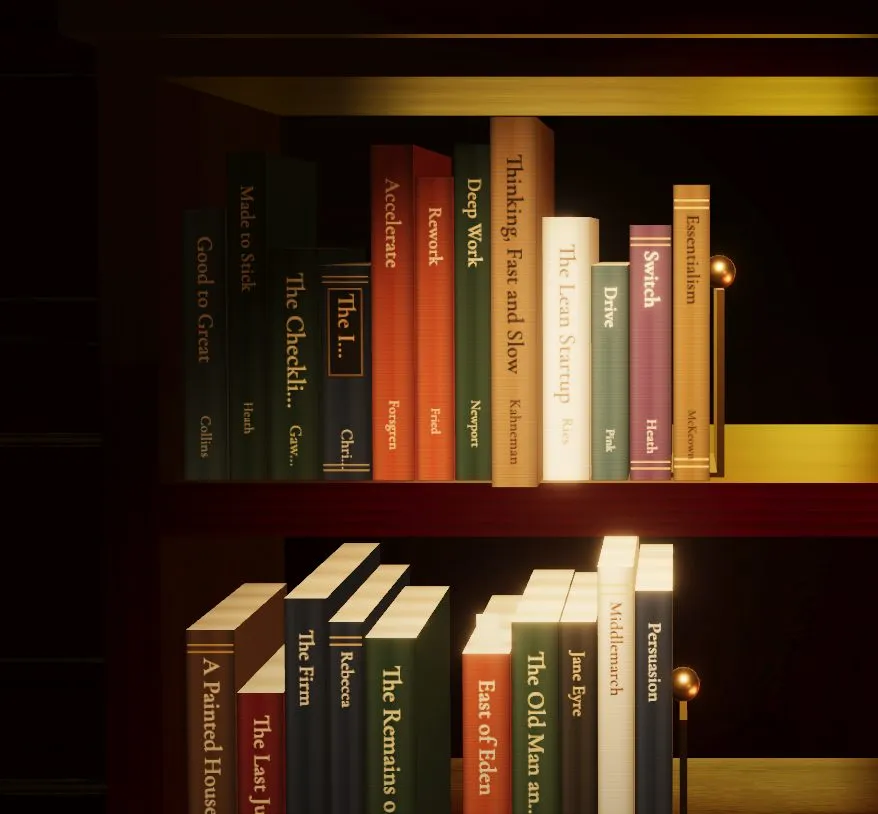
The bookshelf
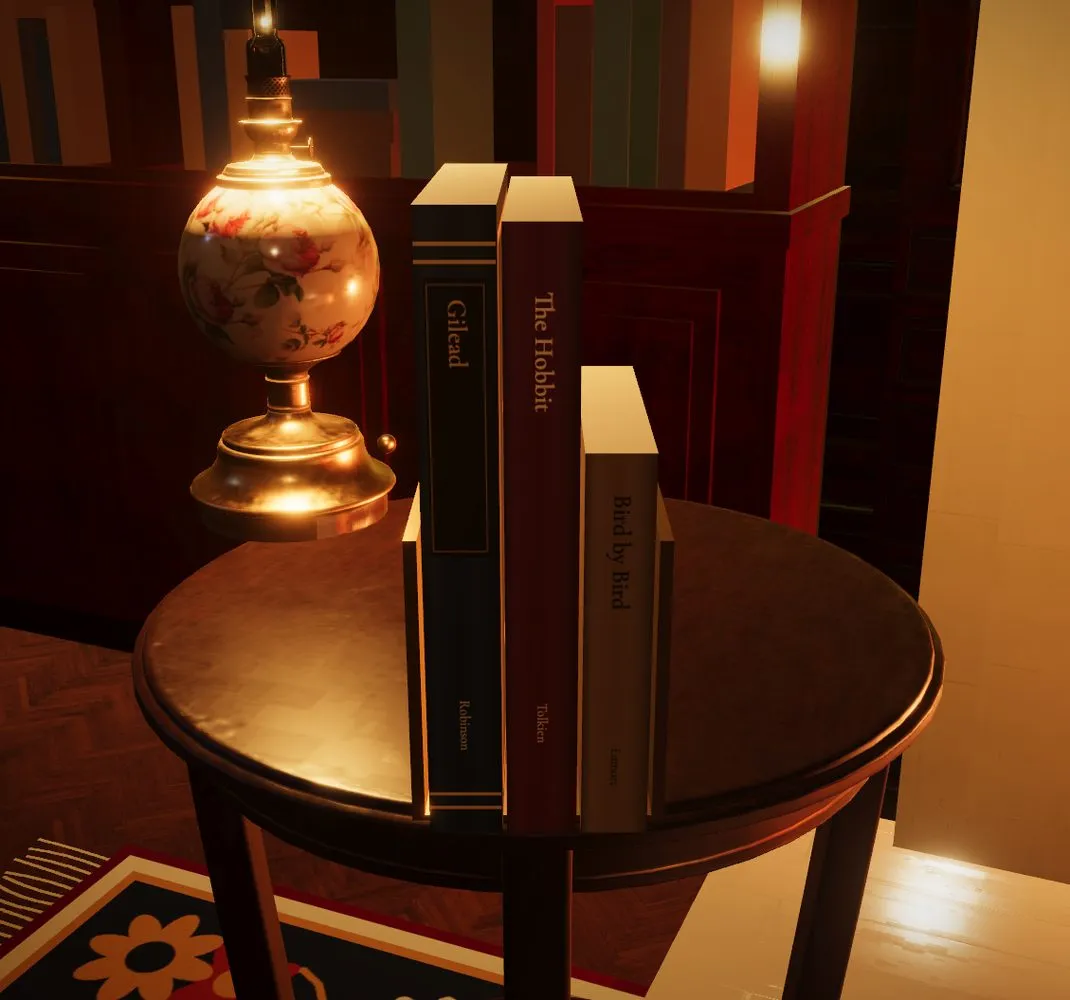
The reading table
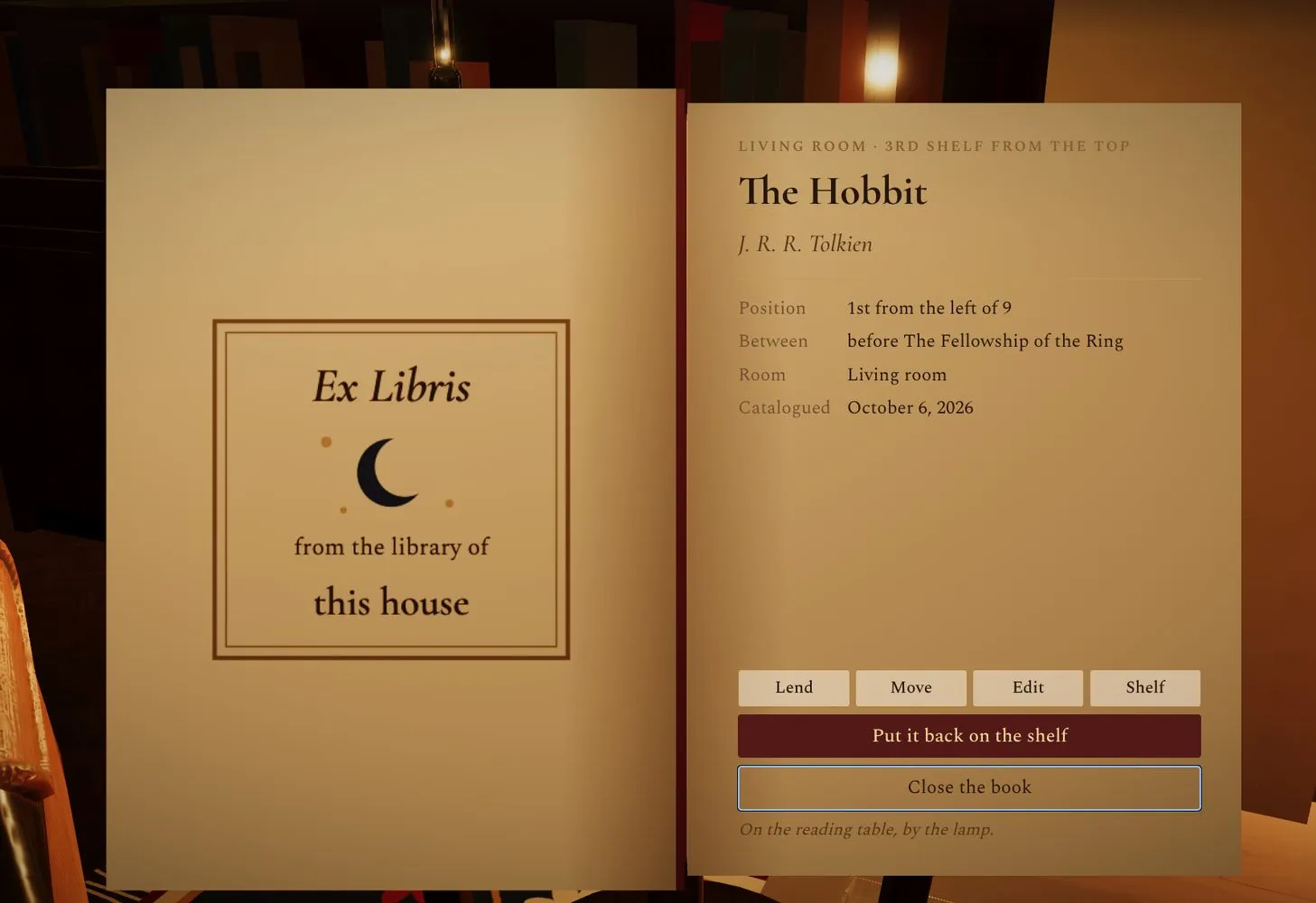
Info about the book. In the demo, the book summary isn’t present, but I’ve got some enrichment planned.
Now I wanted another room - this time, it’s a sunroom looking out over water, with light based on time of day (for the sake of this example, I’m using a timelapse). Here it is: shelfsense.up.railway.app. Ships will coast across the background, and the sun will set based on the time of day (with some easter eggs to speed it up).
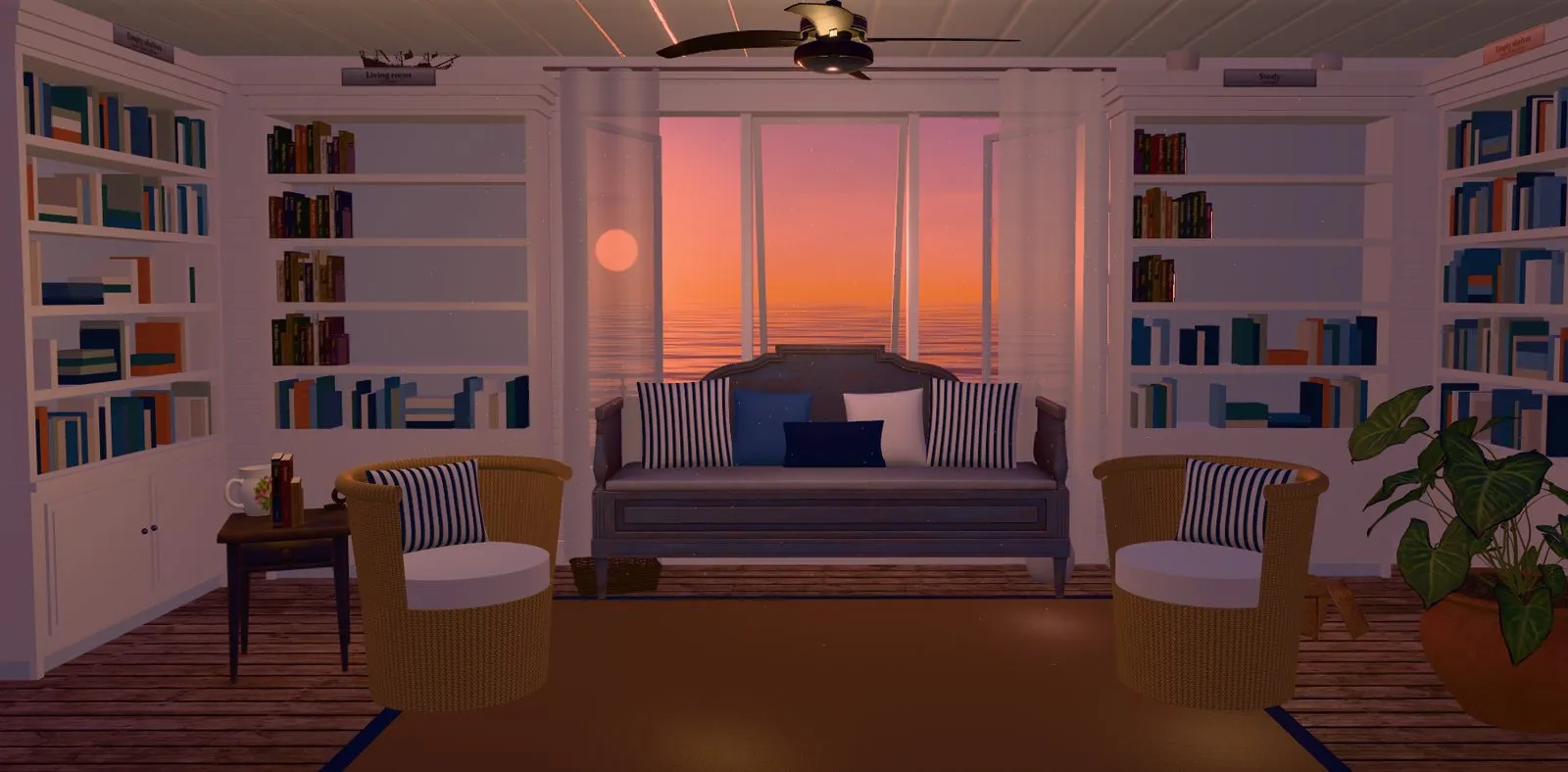
The sunroom
Was any of this necessary? Of course not. Is it enjoyable to build. Of course. Could I have done it back in January? I really don’t think so.
So, if there’s something you’ve tried that didn’t work for you before, it definitely won’t hurt to try again.
Depending on interest, I may open this up to more people to try it out. For now, check out the demo and let it inspire you to take another look at one of those unfinished ideas.